



Private Half Day Tuk Tuk Tour to Historic Center of Lisbon and Belém (4 hours)

(0 reviews)
Private Half Day Tuk Tuk Tour to Historic Center of Lisbon and Belém (4 hours)
  • Duration: 4.5 hours
  • Group size: 6 people
Duration
4.5 hours
Experience type
Tour / activity
Group size
6 people
Languages
English, Spanish, Portuguese

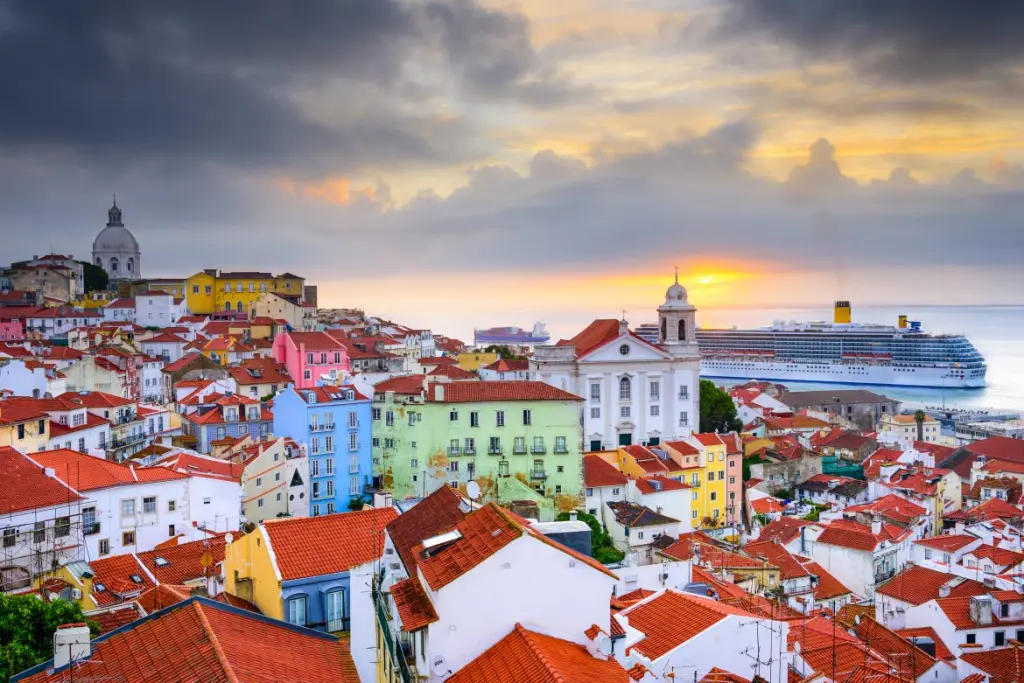
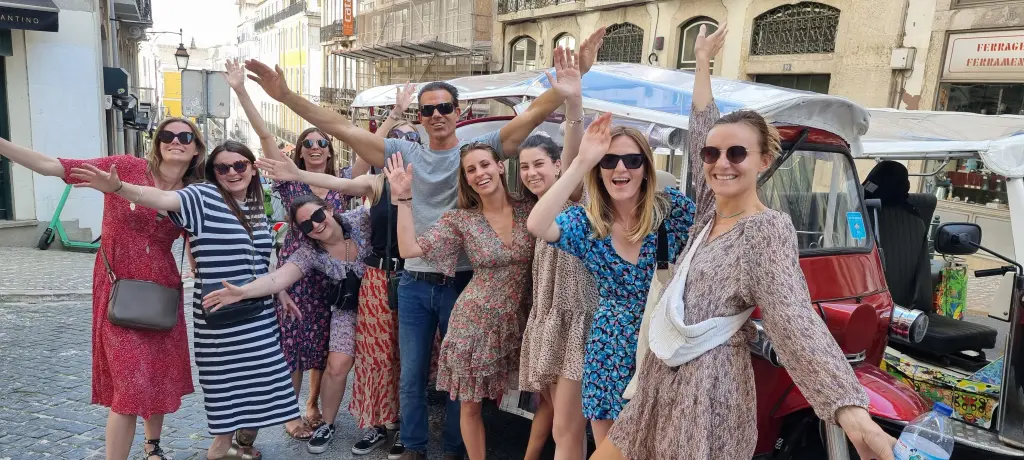
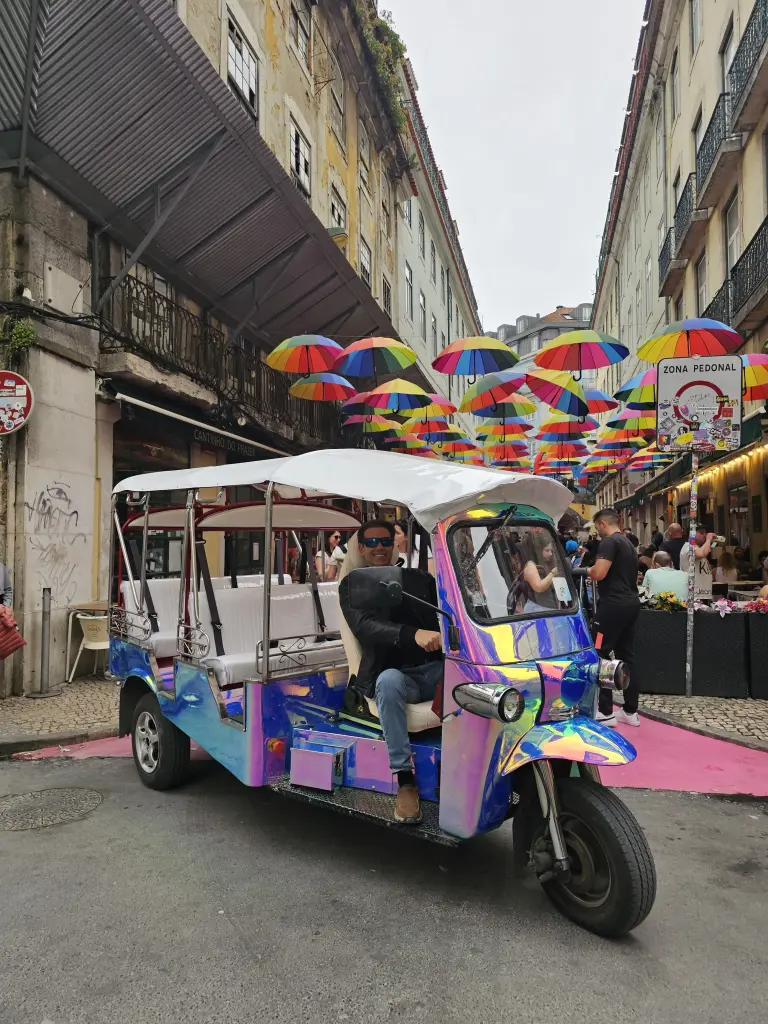
Hop on an electric tuk-tuk and explore the heart of Lisbon in comfort and style. In just 4 hours, you’ll glide through the city’s iconic neighborhoods — Alfama, Graça, Mouraria, Baixa, Chiado, Bairro Alto, and Belém — including charming narrow streets that big tour buses can’t reach.

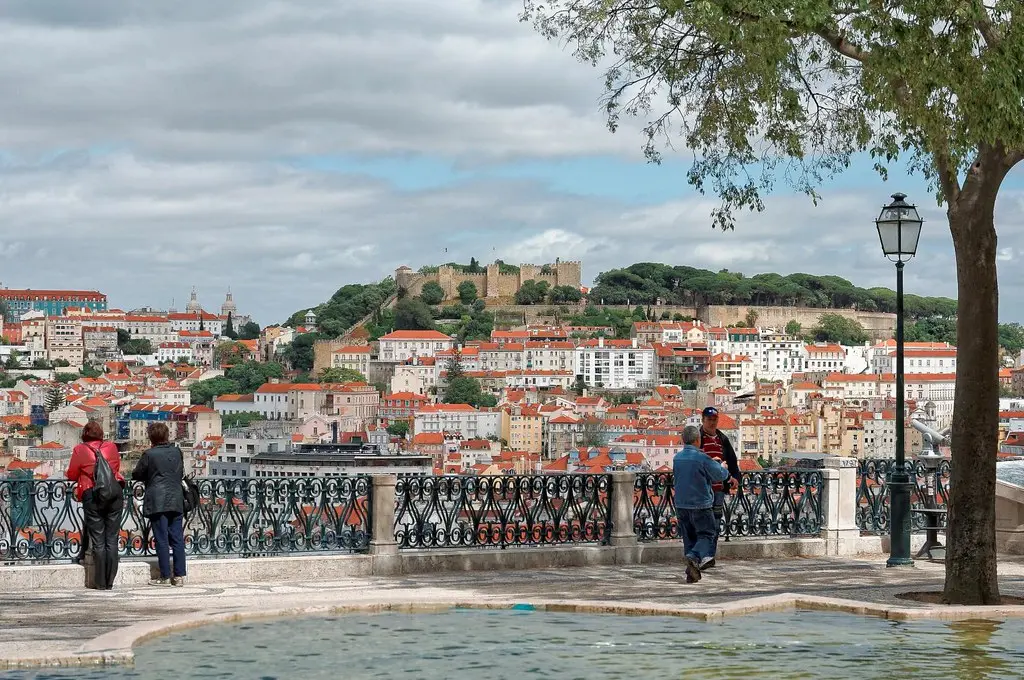
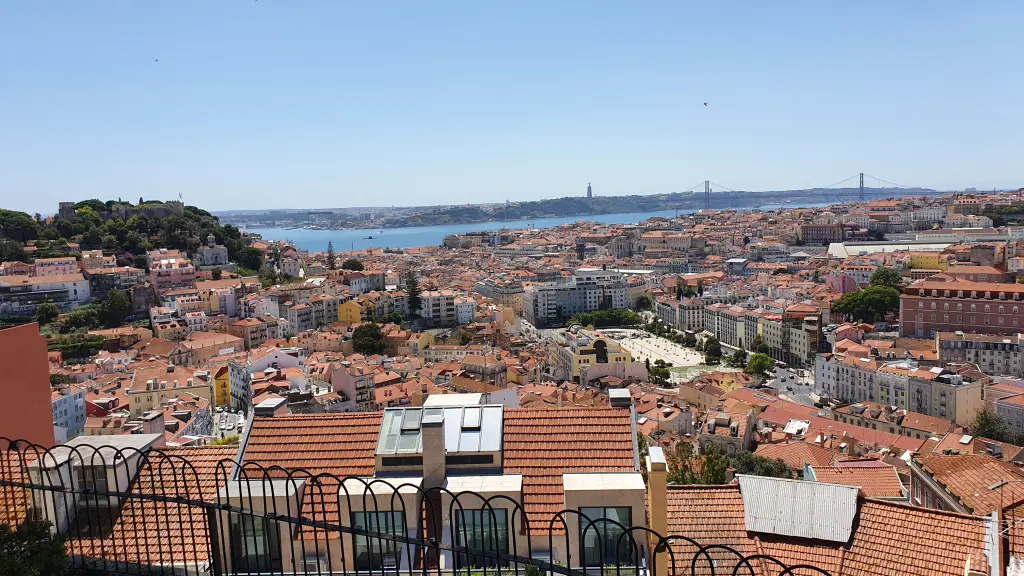
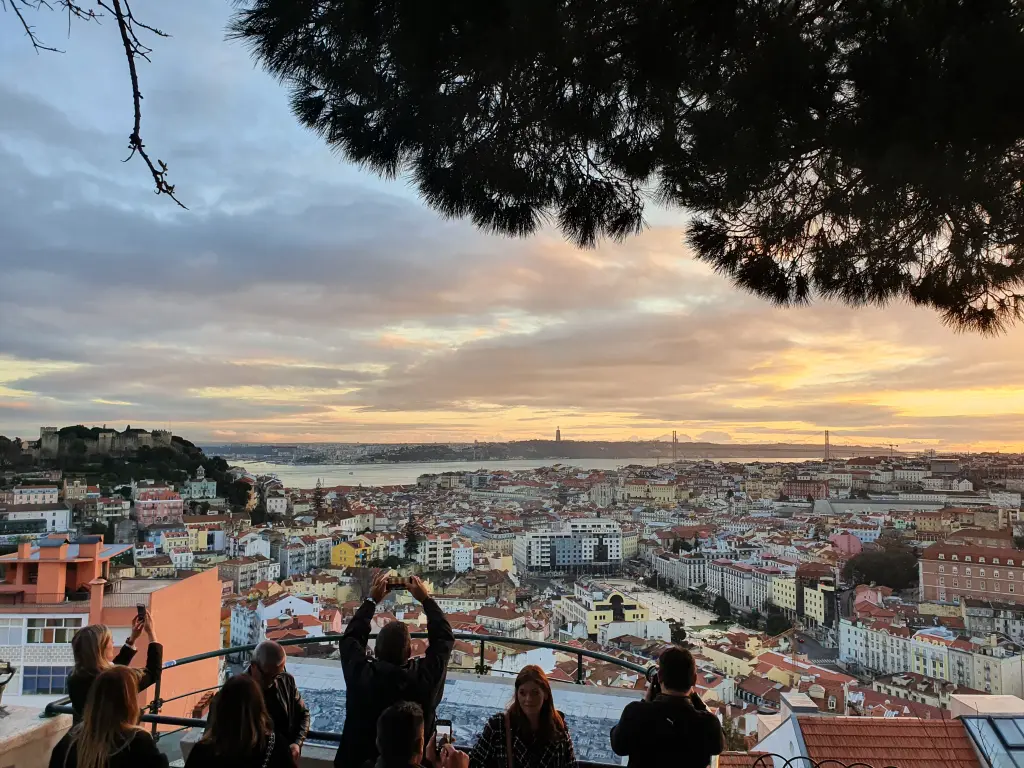
Along the way, you’ll stop at Lisbon’s most breathtaking viewpoints, like Miradouro da Graça, Miradouro da Nossa Senhora do Monte, São Pedro de Alcântara, and Largo das Portas do Sol, where panoramic views over the red rooftops and the Tagus River will leave you speechless.

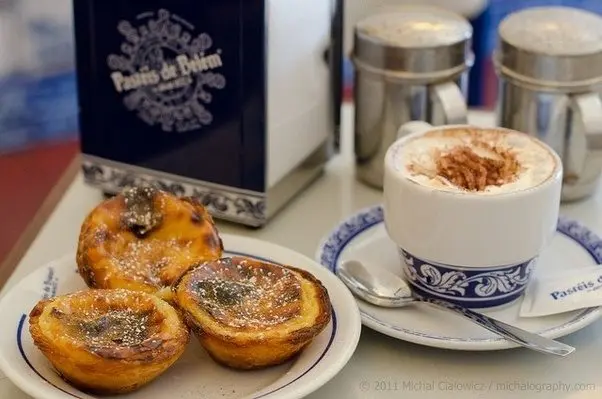
Your journey is guided by a local expert who will share fascinating stories, curiosities, and historical insights about the city. To make your experience even sweeter, enjoy a local treat, if you wish, a delicious Pastel de Belém!

Agile, comfortable, and full of character, our tuk-tuk tour is the perfect way to feel the real spirit of Lisbon while creating unforgettable memories


Itinerary:

  1. Restauradores Square (Pass By)
  2. Rossio Train Station (Pass By)
  3. Dom Pedro IV Square (Pass By)
  4. Santa Justa Lift (Pass By)
  5. Rua Augusta Arch (Pass By)
  6. Church of Saint Anthony (Pass By)
  7. Lisbon Cathedral (Sé Cathedral) (Pass By)
  8. Portas do Sol Viewpoint
  9. Santa Luzia Viewpoint
  10. Graça Church & Convent (Pass By)
  11. Senhora do Monte Viewpoint
  12. São Vicente de Fora Church (Pass By)
  13. Feira da Ladra Flea Market (Pass By)
  14. National Pantheon
  15. Fado Museum (Pass By)
  16. Chafariz d’El-Rei Fountain (Pass By)
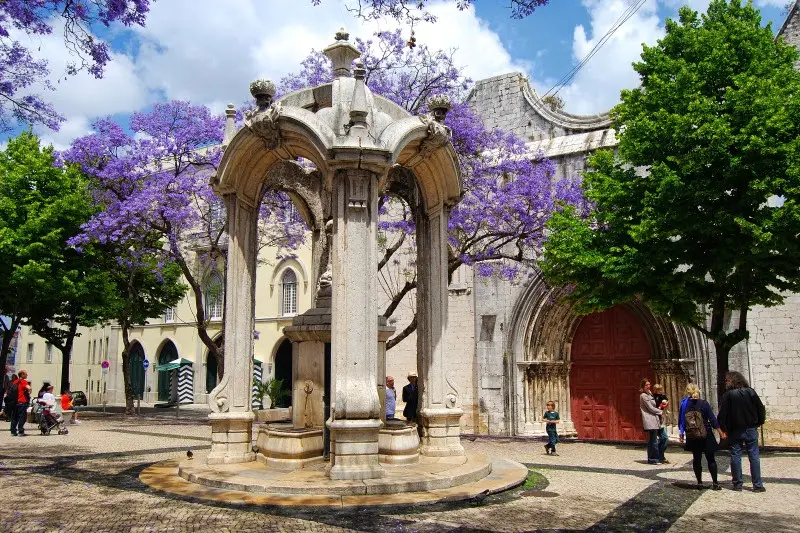
  17. Carmo Square (Largo do Carmo) (Pass By)
  18. Church of São Roque (Pass By)
  19. São Pedro de Alcântara Viewpoint
  20. Príncipe Real District (Pass By)
  21. Eduardo VII Park
  22. Estrela Basilica (Pass By)
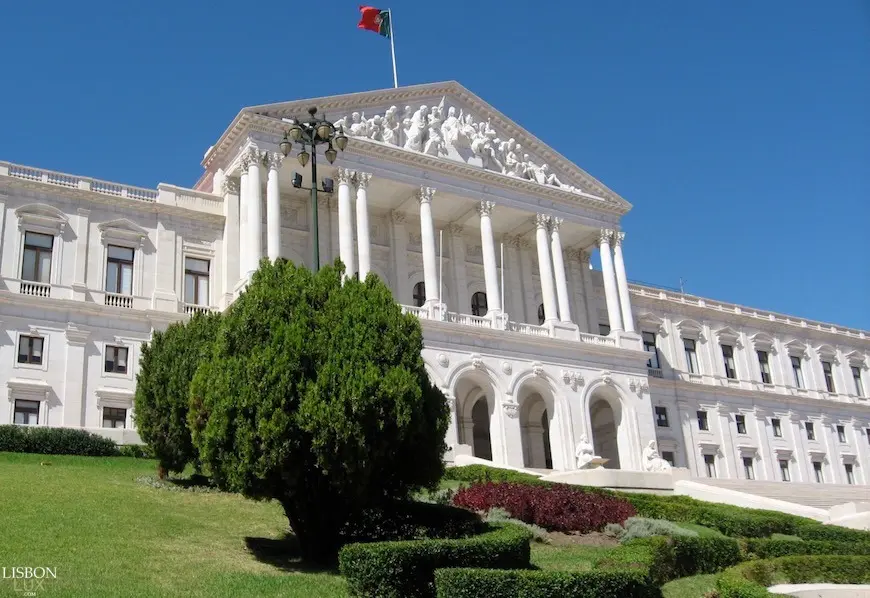
  23. São Bento Parliament
  24. Museum of the Orient (Pass By)
  25. Monument to the Discoveries
  26. Belém Cultural Center (CCB) (Pass By)
  27. Belém Palace (Pass By)
  28. LX Factory (Pass By)
  29. Jerónimos Monastery
  30. National Coach Museum (Pass By)
  31. MAAT – Museum of Art, Architecture and Technology (Pass By)
  32. National Museum of Ancient Art (Pass By)
  33. Pastéis de Belém
  34. Belém Tower
  35. Chiado Square (Largo do Chiado) (Pass By)
  36. Cordoaria Nacional ((Pass By)
  37. Bica Funicular (Pass By)
  38. Luís de Camões Square (Pass By)
  39. São Carlos National Theatre (Pass By)
  40. São Luiz Municipal Theatre (Pass By)
  41. Figueira Square (Pass By)


Pickup and drop-off at your hotel or Airbnb in Lisbon’s city center

Private tour exclusively for your group

Liability insurance and personal accident insurance

Experienced and knowledgeable local guide providing insights into Lisbon’s history, culture, and landmarks throughout the tour

Entrance tickets to museums and monuments

Food and/or drinks

Gratuities

0

Excellent ( Baseado em 0 reviews )

0 Reviews

Does this tour include free pickup and drop-off at my hotel/Airbnb?

Yes! We offer complimentary pickup and drop-off at any hotel in Lisbon’s city center. During the reservation process, simply select your hotel from the list. If your hotel or Airbnb isn’t listed, please contact us, and we’ll confirm whether pickup is available at your location. Please note that some streets in Lisbon are pedestrian-only. If your accommodation is on one of these streets, we will provide the nearest accessible pickup point, usually within a 5-minute walk. Alternatively, you can select Hard Rock Cafe as your pickup location, as it is a centrally located and convenient meeting point.

Does the tour require a lot of walking?

No, not at all! You will be comfortably seated in a tuk-tuk throughout the tour. The vehicle will stop at key viewpoints and landmarks, allowing you to explore, take photos, and enjoy the sights without excessive walking. Tuk-tuks are an excellent way to experience the city with minimal effort.

What is the difference between an electric tuk-tuk and a regular one?

All our tuk-tuks are electric. Electric tuk-tuks are completely silent, making for a more peaceful and enjoyable ride. They are also eco-friendly, as they produce zero emissions and help keep Lisbon’s air clean. Unlike traditional tuk-tuks, which use fuel, electric ones do not contribute to noise or air pollution.

Is this a private or shared tour?

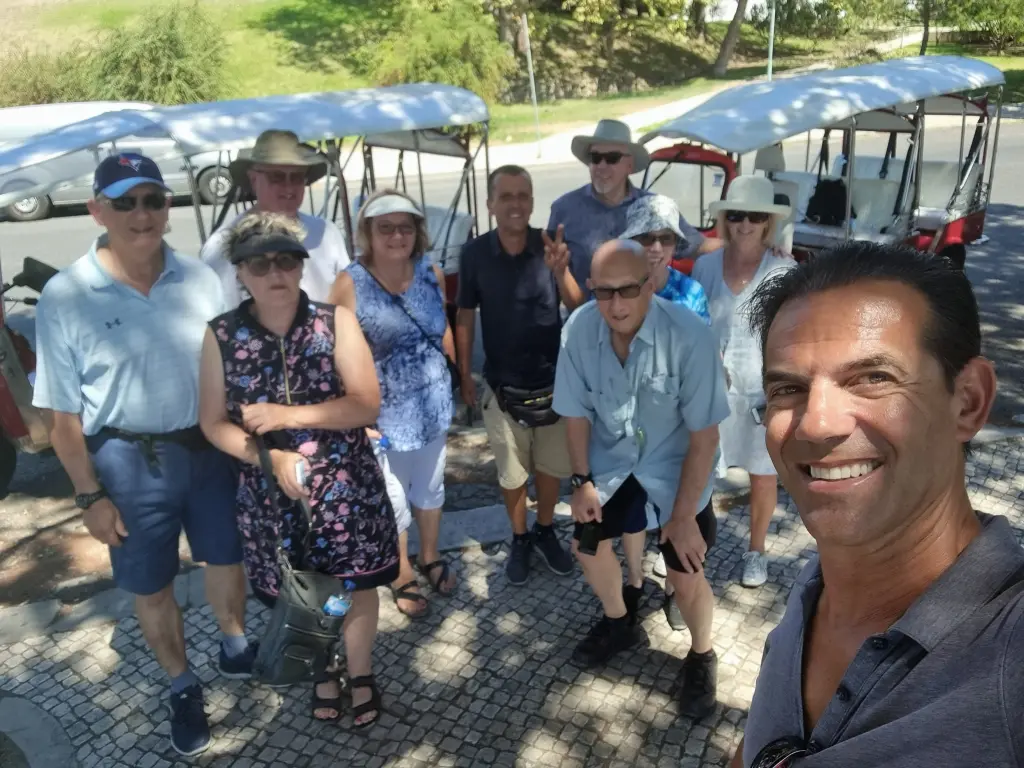
All of our tuk-tuk tours are private. This means your group will have the vehicle and guide all to yourselves - no sharing with other people.

How many people does a tuk-tuk fit?

Each tuk-tuk can accommodate up to 6 people. If your group is larger than 6, you will need two tuk-tuks. However, both vehicles will travel together, making stops at the same locations so your group can still experience the tour together.

Is this a guided tour?

Yes! Your expert guide will accompany you throughout the tour, providing insightful commentary at each stop. Unlike other services that simply drop you off at locations, our guide stays with you, sharing fascinating stories and historical details about Lisbon’s most iconic sites.

What’s the cancellation policy?

You can receive a full refund if you cancel at least 24 hours before the scheduled tour start time. Unfortunately, we cannot accommodate cancellations or modifications within 24 hours of departure.

What happens if it rains? Will the tour still happen?

Yes! Our tours operate rain or shine. All tuk-tuks are equipped with transparent rain covers, ensuring you can still enjoy Lisbon’s beautiful scenery even on rainy days.

Itinerary

Restauradores Square

Our tour will start in Restauradores, where the Obelisk is located
Show map

Rossio Train Station

Beautiful Manueline style train station
Show map

Dom Pedro IV Square

In this square we can see the D. Maria II Theater and the D. Pedro IV Statue
Show map

Santa Justa Lift

This former elevator used to transport people from Rua Áurea to Largo do Carmo where the ruins of the Carmo Church are located
Show map

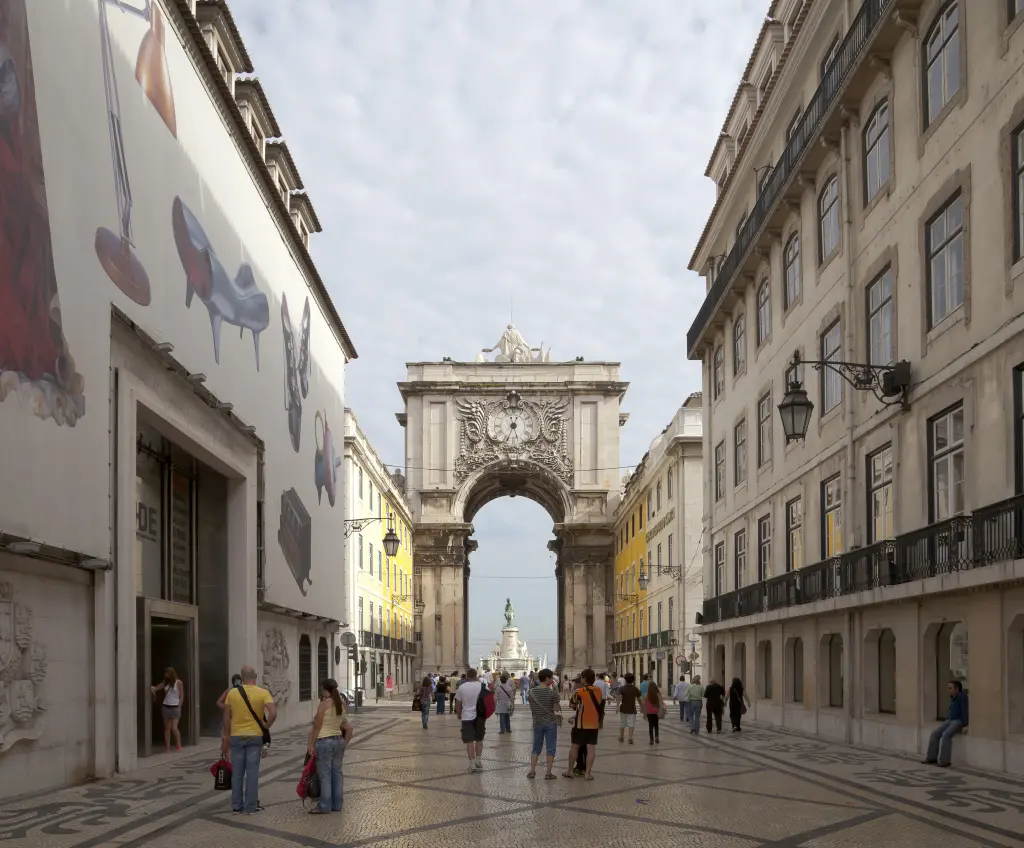
Arco do Triunfo

When crossing Rua Augusta we can see this magnificent Arch where important figures such as Viriato and Marquês de Pombal can be found
Show map

Church of St. Anthony

In this Church Saint Anthony was born and lived
Show map

Lisbon Sé Cathedral

13th Century Church. One of the first churches of Lisbon
Show map

Lisbon Sé Cathedral

13th Century Church. One of the first churches of Lisbon
Show map

Portas Do Sol Viewpoint

Here we will stop to admire one of the most beautiful views in the city. You will also be able to see São Vicente (holding the symbol of Lisbon), Alfama (the second oldest district in Europe)
Show map

Santa Luzia Viewpoint

Here we will stop to admire one of the most beautiful views in the city. We will be able to see Alfama (the second oldest district in Europe) and admire the unique tiles of Santa Luzia Church
Show map

Graca Church & Convent

In this area we can see the Church and one of the oldest villages, Vila Sousa
Show map

Senhora do Monte Viewpoint

We reached the highest point of the city - Nossa Senhora do Monte Viewpoint - the main viewpoint of the city. At this point we can also see the Church of Saint Genes
Show map

São Vicente de Fora

Church built outside the castle walls
Show map

Feira da Ladra Flea Market

We will pass in the area where the Flea Market is held every Tuesday and Saturday
Show map

Panteao Nacional

Stop to take pictures of the Santa Engrácia Church, our national pantheon
Show map

Fado Museum

Museum where you can see everything related to Fado
Show map

King’s Fountain

Drinking fountain where the various social classes went to fetch water
Show map

Carmo Square

It was at this place where the 25 April revolution took place
Show map

Sao Roque Church

One of the first Jesuit churches in the world. Here we can see the statues of the Lottery Man and Father António Vieira
Show map

Sao Pedro de Alcantara Viewpoint

From here we can see the Castle and all the hills on the other side of the city
Show map

Principe Real

Garden
Show map

Eduardo VII Park

Here we can see one of the best views of the city. We also find a monument related to the 25th of April
Show map

Estrela Basilica

Former convent of Carmelite nuns
Show map

São Bento Parliament

Stop for photo. The Assembly of the Republic meets daily at the São Bento Palace. It is a parliament only, consisting of 230 Deputies, elected by multi-member circles for four-year terms. At the rear of the building is the Prime Minister's Official Residence
Show map

Museum of the Orient

The Fundação Oriente Museum is housed in the former warehouses of the Cod Trade Regulatory Commission. The museum brings together collections that have the Orient as their main theme, in the historical, religious, anthropological and artistic aspects. The permanent exhibition includes 1400 pieces alluding to the Portuguese presence in Asia and 650 pieces belonging to the Kwok On collection
Show map

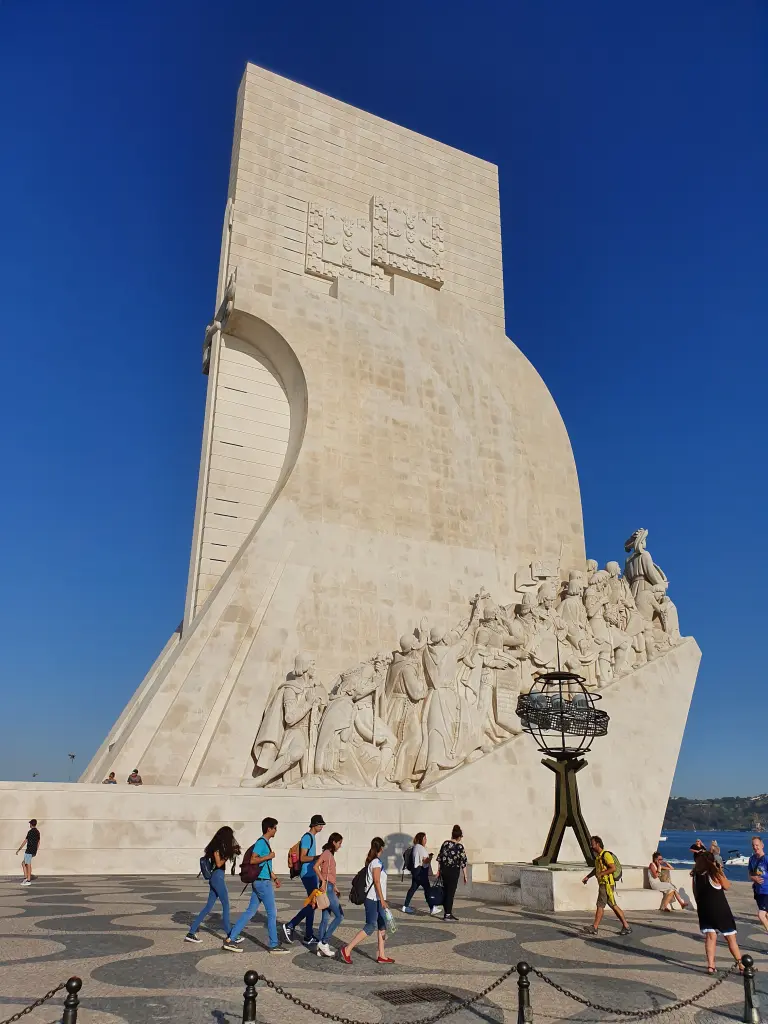
Monument to the Discoveries

The Discoveries Monument (or Monument to the Discoveries; or Monument to the Navigators) In a prominent position on the right bank of the Tagus River, the original monument, made of perishable materials, was erected in 1940 on the occasion of the Portuguese World Exhibition to honor the historical figures involved in the Portuguese Discoveries. The current replica, in concrete and stone, is later, having been inaugurated in 1960
Show map

Belém Cultural Center (CCB)

Architectural equipment, built to host, in 1992, the Portuguese presidency of the European Union, and which, at the same time, could remain, as a dynamic pole of cultural and leisure activities. The CCB came to occupy the same space that was destined to install the "Portuguese in the World" Pavilion and the "Portuguese Villages", in the 1940s, of the great Portuguese World Exhibition
Show map

Belem Palace

In 1912, after the proclamation of the republic, the Palácio de Belém was designated the official residence of the President of the Republic. In the 18th century, D. João V bought it from the Count of Aveiras, having radically altered it. At the time of the 1755 earthquake, the monarch D. José I and his family were spending the holiday in the Belém area and survived the devastation. Fearing another earthquake, the royal family settled in tents on the grounds of the palace, whose interior was used as a hospital. D. Maria II inhabited the Palace of Belém for a few years (when the Palácio das Necessidades was under construction) From the reign of D. Luís I, the Palace of Belém was destined to receive the official guests that visited Lisbon. In 1886, a new mission was given to the Palace of Belém, the official residence of the Royal Princes D. Carlos, Duke of Bragança and his young wife D. Amélia de Orleães
Show map

LX Factory

It was, in 1846, the Companhia de Fiação e Tecidos Lisbonense, one of the most important manufacturing complexes in Lisbon. In subsequent years, it was occupied by Companhia Industrial de Portugal e Colónias, Anuário Comercial de Portugal typography and Gráfica Mirandela. In 2005, a real estate company decided to buy and revitalize the place that was reborn in 2008 as a “factory” of creativity and experiences. It kept the industrial spaces and invited companies in the arts sector, which later brought shops, cafes and restaurants. With more or less 50 stores, of the most diverse brands and types, LX Factory Lisboa ends up being a meeting point for those who want to go on a shopping trip
Show map

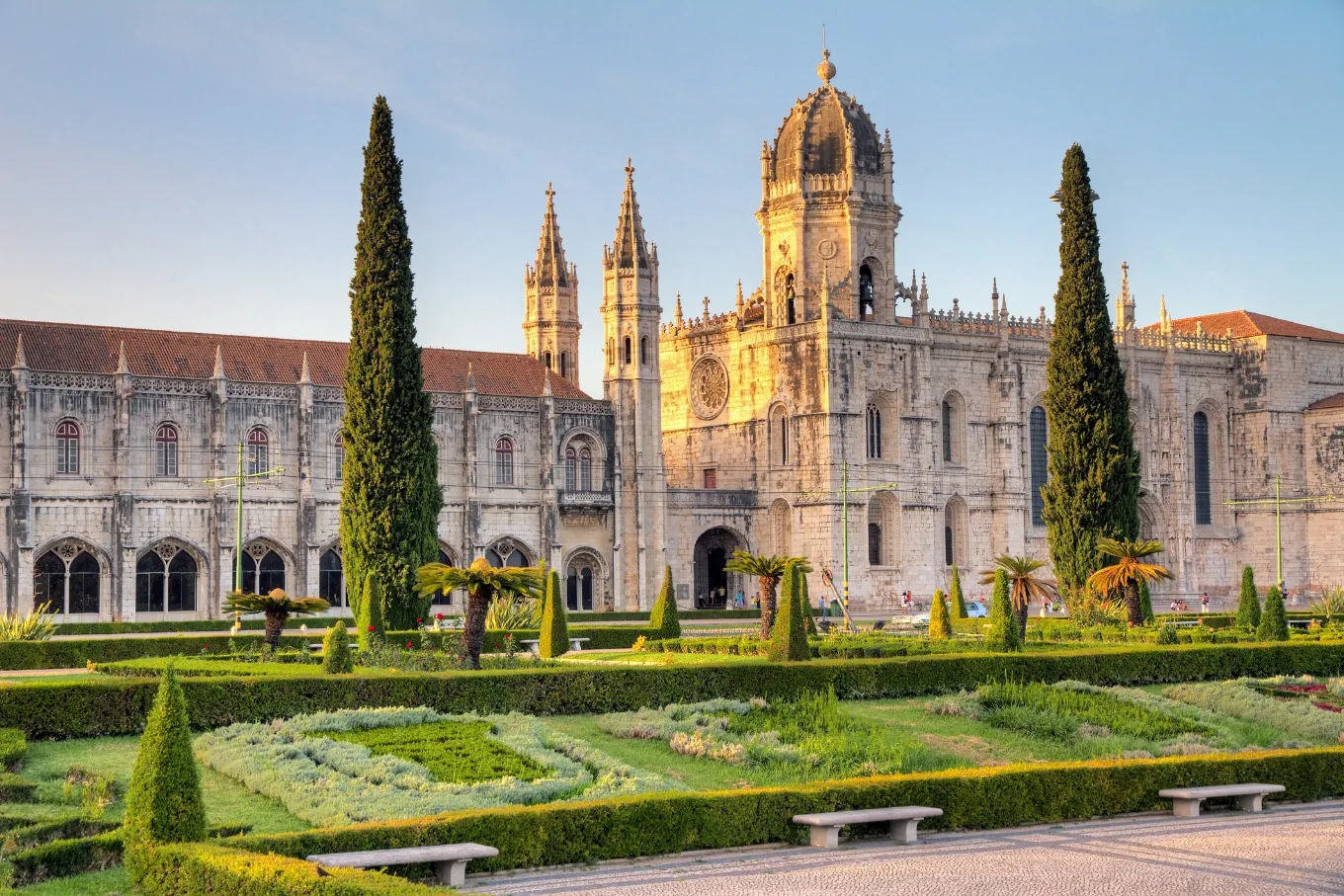
Jeronimos Monastery

Visit one of the most beautiful churches in Portugal. In this church are the tombs of Vasco da Gama, the poet Luís de Camões and the family of King Manuel I. The Jerónimos Monastery is a Portuguese monastery, built at the end of the 15th century by King Manuel I and was handed over to the Order of Saint Jerome
Show map

National Coach Museum

The National Coach Museum has the most important collection, worldwide, of coaches and royal carriages from the 16th to the 19th century
Show map

MAAT – Museum of Art, Architecture and Technology

The National Museum of Ancient Art is the most important art museum from the 12th to the 19th centuries in Portugal, housing the most important public collection of ancient art in the country
Show map

National Museum of Ancient Art

The National Museum of Ancient Art is the most important art museum from the 12th to the 19th centuries in Portugal, housing the most important public collection of ancient art in the country
Show map

Portuguese Custard Tarts

Savor one of the 7 wonders of Portuguese gastronomy without having to wait hours in long lines. Our guide will do the shopping for you. Although you can taste custard tarts in many cafes and pastry shops, the original recipe is an exclusive secret of Fábrica dos Pastéis de Belém, in Lisbon (the only place whose pastries should be called Pastéis de Belém). There, traditionally, the pastries are eaten hot, sprinkled with powdered sugar and cinnamon. Pastel de Belém was elected in 2011 as one of the 7 Wonders of Portuguese Gastronomy
Show map

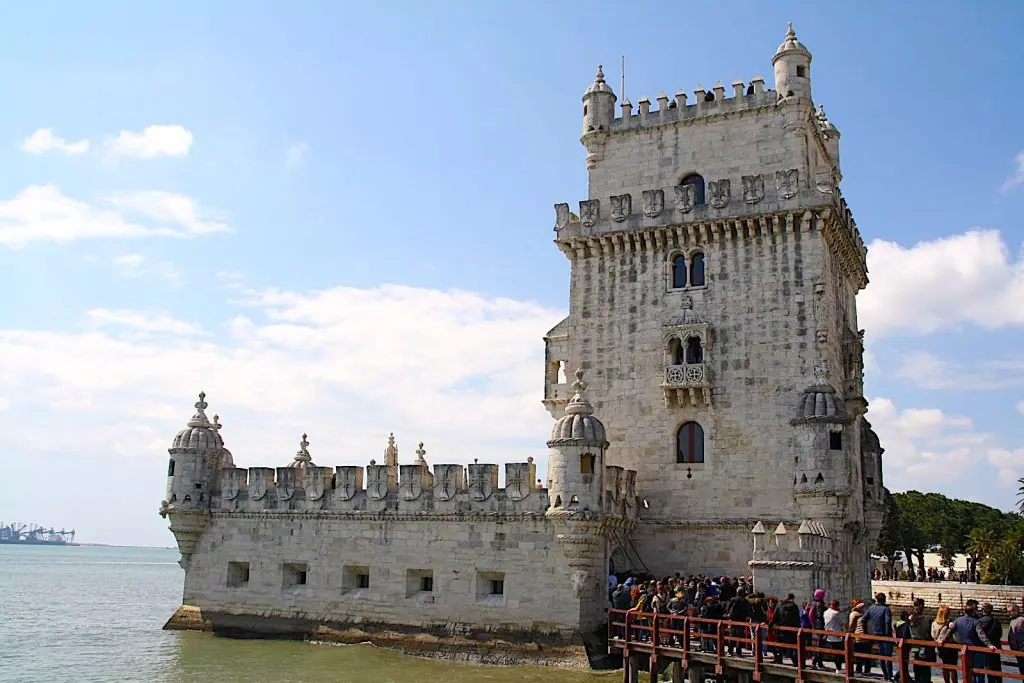
Belem Tower

Visit to the outside of the Belém Tower. The Torre de Belém, formerly Torre de São Vicente, over time lost its function of defending the bar of the Tagus and, from the Philippine occupation, the old magazines gave way to dungeons. On the four floors of the tower, the Governor's Room, the King's Room, the Audience Room and, finally, the Chapel with its characteristic 16th century vaults remain. The Tower of São Vicente (1514) belongs to a defense formation of the Tagus basin ordered by João II of Portugal, composed to the south by the tower of São Sebastião da Caparica (1481) and to the west by the Tower of Santo António de Cascais ( 1488)
Show map

Chiado Square

In this place we can see the writer Fernando Pessoa sitting in the café a Brasileira and the statue of the writer António Ribeiro Chiado
Show map

National Rope Factory

The Fábrica Nacional de Cordoaria or Cordoaria Nacional was a manufacturing establishment of the Portuguese Navy. Its installations extend over almost 400 meters, for a width of only about 50 meters, paralleling the Tagus River. These characteristic dimensions were due to the needs of the production process. Its location, on the river, sought to facilitate the supply of products to ship owners. Today, the building, open to the public, houses several exhibitions throughout the year, such as the Bienal de Antiguidades exhibition, which includes tapestry, furniture, painting, porcelain, etc
Show map

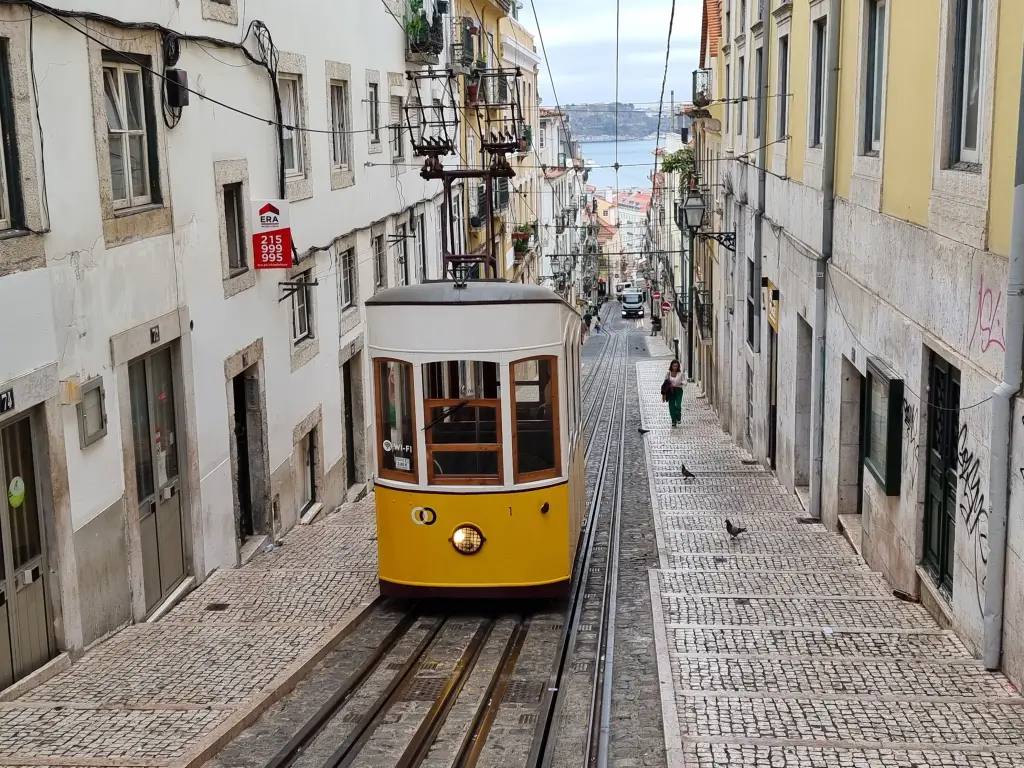
Bica Funicular

Photo stop for this magnificent lift with the Tagus River as background
Show map

Luís de Camões Square

Great Portuguese Poet who wrote about the discoveries of Portugal
Show map

São Carlos National Theatre

In this square, opposite the theater, Fernando Pessoa was born. It came to replace the Teatro Ópera do Tejo, which was destroyed in the 1755 earthquake
Show map

São Luiz Municipal Theatre

Municipal Theater that had several names, Dona Amélia Theater, Republica Theater
Show map

Figueira Square

Here we can see the statue of King D. João I
Show map
« Back